Frequently Asked Questions about Abortion Pills
Whether you're someone who needs an abortion, a journalist, or just curious about our service, here are some frequently asked questions.
Everything you need to know about how to use abortion pills.
Every question has a short answer plus more detail underneath it, and where an answer draws on outside research, we link to the real source. This page is updated as new research comes out.
Abortion pills basics
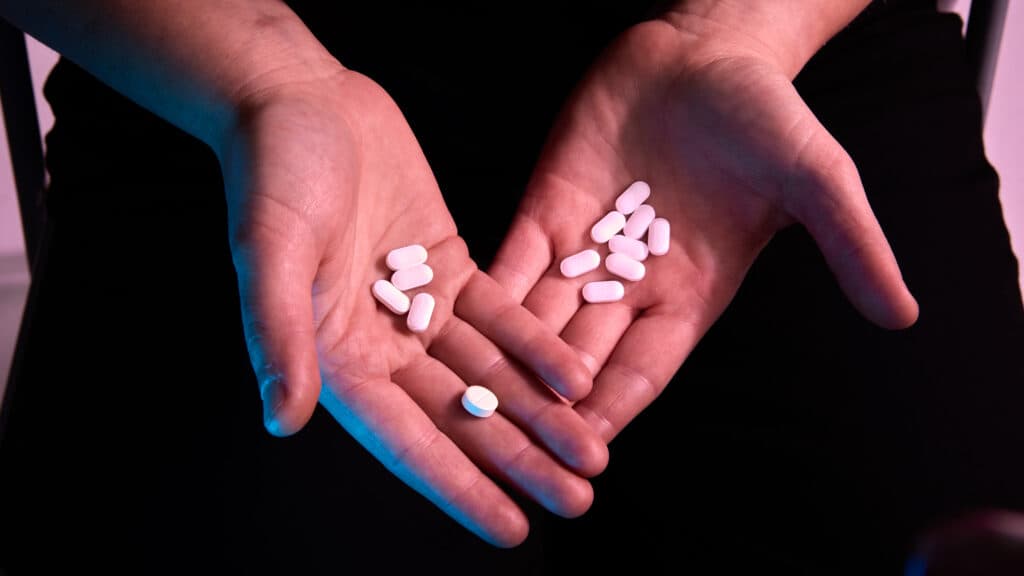
Abortion pills are medications used to end a pregnancy, and they're the most commonly used abortion method today, safe enough to take at home without a clinic visit. The two main ones are mifepristone and misoprostol (misoprostol is also widely known by its brand name, Cytotec), usually taken together over 24-48 hours, though misoprostol can be used on its own too. Mifepristone blocks progesterone, the hormone a pregnancy needs to continue, so the uterine lining starts to break down. Misoprostol then opens the cervix and brings on the cramping that lets the body pass the pregnancy tissue. Mifepristone is still hard to get hold of in most countries, while misoprostol is sold through pharmacies in plenty of places, sometimes without needing a prescription at all, so just be careful buying either online or from a source you can't verify.
Sources: WHO clinical practice handbook
Cytotec is simply the best-known brand name for misoprostol, one of the two medicines used in a medication abortion. It's the same medicine this guide calls misoprostol everywhere else, not a separate or additional drug. Misoprostol/Cytotec can be combined with mifepristone, or used by itself when mifepristone isn't available, and it works by softening the cervix and getting the uterus to contract so the pregnancy tissue can pass.
Abortion pills help empty the uterus of pregnancy tissue and can be managed at home or at a clinic; the process plays out over a few days, though it can take 4-6 weeks for everything to fully pass. A surgical abortion doesn't involve any incisions at all. For pregnancies up to 14 weeks, a trained provider uses gentle suction, known as vacuum aspiration, to remove the tissue in under 15 minutes, so you leave the same day already knowing it's complete. Really it comes down to timing and location: pills mean a multi-day process you usually manage yourself, while a procedure means one visit with an answer right away.
Abortion laws differ a lot from country to country. Some ban it outright, others barely restrict it at all. Health Trust Pharma treats abortion as healthcare and as a human right, a view shared by the WHO, Amnesty International, and the UN Human Rights office. In most places, receiving medicine you've been prescribed, for your own personal use, doesn't run afoul of customs rules. Since legality really does depend on where you live, it's worth checking your own local situation if you're not sure.
Sources: WHO abortion care guideline, UN Human Rights
Yes, and quite reliably so throughout pregnancy. Using mifepristone with misoprostol in the first trimester works around 99% of the time, and misoprostol alone is effective 94-97% of the time. Both figures come from WHO clinical guidance and peer-reviewed research.
Sources: WHO clinical practice handbook
Yes. An abortion with pills is very safe, and the risk of a serious complication is low. The medicines involved are safer than common over-the-counter painkillers and safer than carrying a pregnancy to term and giving birth. The WHO itself recommends self-managed abortion with pills during early pregnancy as a safe option.
Sources: WHO self-care guideline
What to expect from Health Trust Pharma
Your consultation gets reviewed within 24 hours, and once it's approved, your package usually ships within a day (or 2-3 days if your request lands over a weekend). You'll get a tracking number as soon as it ships, and payment is collected in cash when it's delivered.
Your pills arrive in plain, unmarked packaging, so nothing about it gives away what's inside. Each package usually contains one mifepristone tablet and twelve misoprostol tablets.
We provide online access to abortion pills all over the UAE. Fill out the online consultation form and we'll confirm your delivery details.
The price is 600-1000 AED depending on your location, paid in cash when your package is delivered.
If the full amount is out of reach, tell us and we'll do what we can to help.
It comes down to three steps. First, an online consultation about your health and pregnancy, not unlike an in-person visit with a provider. Second, our team reviews your form within a few hours and approves your order. Third, delivery: your package goes out within one business day (or 2-3 days for weekend requests), with tracking provided the whole way and payment of 600-1000 AED collected in cash on delivery. The service covers pregnancies under 14 weeks and excludes a few specific health conditions, and our medical support team replies within 24 hours by email in 16 languages.
Yes. Abortion pills can be safely self-managed without ever visiting a clinic, and an online consultation works a lot like an in-person one. You'll answer questions about your medical history and current health, which lets us tailor our guidance to your own situation. This is backed by peer-reviewed research and the WHO's own standards for abortion care.
Sources: WHO clinical practice handbook
Before your abortion with pills
Medication abortion self-assessment:
Abortion pills aren't recommended if you have chronic adrenal failure, a bleeding disorder, inherited porphyria, an allergy to the medicines themselves, or an ectopic pregnancy, and most people with these conditions already know they have them. Having an IUD doesn't rule the pills out, though it's better to have it removed beforehand, since leaving it in can mean more cramping and bleeding than usual. And if you feel unsure, conflicted, or pressured about ending a pregnancy, reach out to someone you trust or a non-judgmental support organization before going ahead.
Sources: WHO clinical practice handbook
Yes, abortion pills stay safe and effective throughout pregnancy, though past 13 weeks the process can take longer and more people end up needing follow-up care. At this stage it's ideally done in a clinical setting or with trained support nearby; if you're doing it at home, it helps to have reliable dosing information, to be near a hospital, to plan follow-up care ahead of time, and to have someone you trust with you. Even so, an abortion with pills at home is always safer than any method the World Health Organization doesn't recommend.
Sources: WHO clinical practice handbook
Not necessarily. Most people can work out how far along they are on their own. That said, an ultrasound is worth getting if your last three cycles were irregular, if you're breastfeeding and haven't had a period return, if you've recently used hormonal contraception, or if there are possible signs of an ectopic pregnancy. And wanting one purely for peace of mind is a perfectly good reason too.
Sources: WHO abortion care guideline, WHO clinical practice handbook
Start with a pregnancy test, then count weeks from the first day of your last period rather than from the date you had sex. An ultrasound is worth getting if your last three cycles were irregular, if you're breastfeeding without a period back yet, or if you've recently used hormonal contraception; otherwise you likely won't need one. Ultrasound can pick up a pregnancy about a week after a missed period and confirm it's sitting in the uterus, and ectopic pregnancies are genuinely rare, showing up in under 1% of all pregnancies.
Sources: WHO abortion care guideline, WHO clinical practice handbook
Specific situations:
No, please don't use toxic mixtures, sharp objects, or any form of self-harm to try to end a pregnancy. Herbal or natural methods haven't been properly tested for safety or effectiveness, and unsafe abortion remains a leading cause of death and illness among pregnant people around the world. An abortion with pills at home is safe and effective and feels a lot like a miscarriage, so starting an online consultation is the recommended alternative to any home remedy.
Sources: WHO abortion care guideline
Yes. The pills work just as safely and effectively no matter your body weight, and the dose stays the same either way.
Yes, having more than one abortion is safe. It doesn't harm your long-term health or your future fertility, and over a reproductive lifetime, more than one unintended pregnancy is genuinely common. Safe abortion is simply a valid, effective way of managing your own fertility.
Yes. Mifepristone and misoprostol do pass into breast milk, but only in amounts small enough to pose no harm to a nursing infant.
Sources: e-Lactancia
Yes, it's safe to use abortion pills while on gender-affirming hormone therapy. You might experience some gender dysphoria during the process, and the bleeding involved can be emotionally difficult too, so it's worth preparing yourself for that in advance. Accurate dating from your last period still matters here, and an ultrasound can help if your periods are absent or irregular.
Yes. Some people prefer to wait until symptoms settle down, but the infection can also be treated at the same time as the abortion, so check with a healthcare provider about what treatment makes sense for you.
Yes, abortion pills work for a twin pregnancy too, using the exact same dose and instructions as a single pregnancy.
Under 12 weeks, no extra medication is needed beyond the standard abortion pills. From 13 weeks on, if you're planning to carry a future pregnancy to term, get an anti-D injection within 72 hours of the abortion. You can ask for this by telling a provider you had a miscarriage and have a negative rhesus blood type, and it helps prevent complications in a future full-term pregnancy.
Sources: WHO abortion care guideline
An ectopic pregnancy happens when a fertilized egg implants somewhere outside the uterus, usually in a fallopian tube. It's rare, but serious, since it can cause the tube to rupture and lead to severe internal bleeding. Watch for lower abdominal or pelvic pain, cramping on just one side, shoulder pain, vaginal bleeding or spotting, and lower back pain, and get to a hospital right away if the pain is sudden and severe or you feel dizzy. Fewer than 1 in 100 people seeking an abortion turn out to have an ectopic pregnancy, and the risk is a bit higher with an IUD, a past ectopic pregnancy, pelvic scarring from infection or surgery, or a previous STI. Abortion pills won't treat an ectopic pregnancy, but they won't make it worse either. No bleeding at all 24 hours or more after taking the medication can be a sign of one, and it needs treatment with medication or surgery no matter what the local abortion laws say.
Sources: Planned Parenthood
Common concerns:
It's considered safe. Misoprostol on its own is actually a common treatment for stomach ulcers. You might still get some cramping, light bleeding, or side effects like nausea, vomiting, diarrhea, or a mild fever for up to a day, but these are just the medicine doing what it does, not a sign of anything wrong.
No, though it's often offered in clinical settings if you'd like it. Some people know right away whether they want to continue a pregnancy or not, while others need more time, and talking things through with someone you trust can help either way. There's no right or wrong way to feel about a pregnancy, and no right or wrong decision to make about it.
No. Neither an abortion with pills, nor any other kind of abortion, raises your risk of breast cancer.
Abortion on its own isn't linked to mental health problems, though a decision like this can naturally stir up complicated feelings, especially in difficult circumstances. Some people feel relief, others feel guilt or a sense of losing control, and restrictive laws, stigma, or hormonal shifts can make any of that stronger. If you need support, journaling, talking to someone you trust, professional counseling, or an abortion-specific hotline can all help.
Yes, a medication abortion doesn't affect your future fertility or the health of pregnancies you have later. You could get pregnant again as soon as 8-10 days afterward, once ovulation returns, so it's worth using contraception in the meantime if that's not what you want yet.
Sources: WHO clinical practice handbook
They're uncommon overall, though the risk rises a little the further along the pregnancy is. Heavy bleeding, soaking through more than 2 regular pads an hour for 2 hours or more, needs care right away and happens in roughly 0.03-0.6% of cases. An incomplete abortion, where some tissue stays behind and bleeding doesn't taper off, happens in around 5% of cases and might need observation or a follow-up procedure. Infection shows up as a fever of 38°C/100.4°F lasting more than a day, or foul-smelling discharge, and is treated with antibiotics; it occurs in about 0.01-0.5% of cases. All of these respond well to treatment when caught early.
Sources: WHO clinical practice handbook
During your abortion with pills
Mild reactions can look like tingling in the hands, lips, or mouth, a stuffy nose, swollen eyes, itching, or a rash, and stopping the medication plus an over-the-counter antihistamine usually helps. Severe reactions are rare but serious: tightness in the chest or throat, trouble breathing, swallowing, or talking, swelling of the face or throat, or collapsing. Any of those need medical attention immediately.
If it happens more than 20 minutes after taking either medicine, it won't have affected how well it worked, so just continue as planned. If it's within 20 minutes, the dose may not have been fully absorbed. For mifepristone, get in touch with our helpdesk; for misoprostol, once the nausea passes, another 4 pills (200mcg each) can go under the tongue, as long as it's not later than 72 hours after the mifepristone.
Misoprostol works best 24-48 hours after mifepristone, but it can still be taken up to 72 hours later. Past that window, email us and we'll walk you through the next steps.
Bleeding and cramping usually start 1-4 hours after the misoprostol, growing heavier than a normal period and more intense until the pregnancy passes, which for most people takes around 4-5 hours, though it can run longer. Some people see the gestational sac or other tissue, others just see clots. Bleeding can come and go for days or weeks afterward, and your period typically returns within 4-8 weeks.
There are three possible outcomes. The pregnancy might end and pass naturally within 1-2 weeks. It might stop growing without fully passing on its own, a "missed abortion," which then needs misoprostol or a procedure to complete. Or the pregnancy might continue as a healthy one, since mifepristone alone hasn't been linked to birth defects. There's no safe or reliable way to reverse mifepristone once it's taken, and so-called "abortion pill reversal" treatments don't actually work and can be dangerous.
Ibuprofen works best for the cramps, and other NSAIDs like diclofenac or naproxen are fine too, just don't mix different NSAID types together. Paracetamol is weaker but can be combined with an NSAID or used on its own if NSAIDs aren't an option for you. Skip aspirin and anti-spasmodic drugs. Start your painkillers about an hour before the misoprostol and keep going as needed within the package's dosage limits; a heating pad or a back massage can help too.
Mifepristone by itself usually causes no side effects, though a few people notice light cramps, some bleeding, or a headache. Misoprostol brings on the cramping and bleeding, and can also cause nausea, vomiting, diarrhea, chills, or a fever, all normal and usually gone within a few hours. Cramping and bleeding typically start 1-4 hours after the misoprostol, with the pregnancy passing around 4-5 hours later on average. On-and-off bleeding or spotting for days or weeks afterward is completely normal, and your period usually comes back within 4-8 weeks.
Usually within a few hours of taking the misoprostol, though it can take up to 24 hours, and no two abortions look exactly the same. If bleeding starts right after the mifepristone itself, just go ahead with the misoprostol step as planned.
Yes, normal eating and drinking is fine throughout. Light meals, ginger tea, or something for motion sickness can help settle any nausea. It's best to skip alcohol and recreational drugs, since they can make it harder to follow instructions and notice warning signs if something's off.
A misoprostol-only abortion, using misoprostol often sold under the brand name Cytotec, without mifepristone, uses 12 pills of 200mcg each and is 94-97% effective. Place 4 pills under the tongue for 30 minutes, then swallow whatever's left; wait 3 hours and repeat; wait another 3 hours and repeat once more, adding extra doses of 2 pills every 3 hours if the bleeding still seems light.
If the specific misoprostol product also contains diclofenac, as some combination pills do, spit out any remaining fragments after 30 minutes rather than swallowing them. Taking it sublingually, under the tongue, is generally preferred over vaginal use since it leaves no physical trace, which matters most anywhere legal restrictions make that a real concern.
Sublingual (under the tongue), vaginal, and buccal (between gum and cheek) are all about equally effective, though every dose within one abortion should use the same route, so don't mix sublingual and vaginal partway through. Sublingual is just as safe and effective as vaginal while leaving no physical trace behind. For vaginal use: wash your hands, wet the pills with clean water, insert them as far as is comfortable, then lie down for 30 minutes while they dissolve. Some residue can remain for up to 4 days and may be gently removed. Diclofenac-combination misoprostol products shouldn't be used vaginally at all.
For pregnancies up through 13 weeks and 6 days: swallow 1 mifepristone tablet (200mg) with water, wait 24-48 hours, then place 4 misoprostol pills (200mcg each) under the tongue for 30 minutes and swallow whatever's left. If bleeding still seems light, extra doses of 2 misoprostol pills every 3 hours can help, though most people this early in pregnancy need no more than 1-2 extra doses. Sublingual administration is generally recommended, and it's worth knowing that a healthcare provider can't tell a medication abortion apart from a miscarriage through an exam or test, so it's fine to describe it as a miscarriage if you ever need care and would rather not disclose pill use.
After your abortion with pills
Mifepristone carries no known malformation risk at all. Misoprostol used in the first 12 weeks carries a small increased risk, under 10 per 1,000 ongoing pregnancies, and no increased risk once you're past 12 weeks.
Usually 4-8 weeks afterward. The first one can be heavier and crampier than what you're used to, and your normal cycle tends to settle back in after 2-3 cycles.
Non-hormonal options include condoms, the only method that also protects against STIs, the copper IUD, which can go in right away and lasts 5-12 years, and permanent methods for those who want them. Hormonal methods give immediate protection if you start them within 3 days of the abortion; any later than that and you'll want condoms or abstinence for about a week alongside it. Morning-after pills work best within 3-5 days. Keep in mind no method is 100% effective.
Sources: Find My Method
Whenever you feel ready, there's no fixed waiting period here. Let your own comfort be the guide.
As soon as 8-10 days afterward, once ovulation returns, and since sperm can survive up to 5 days in the body, it's genuinely possible to conceive quite soon. Hormonal contraceptives started within 5 days give protection right away, copper IUDs protect immediately, and condoms work immediately too while also guarding against STIs.
Sources: WHO clinical practice handbook, Find My Method
During the abortion and the first few days after, pads are better so you can keep track of how much you're bleeding. Once bleeding tapers off, feel free to switch to whatever you'd normally use, tampons and menstrual cups included.
Whenever you feel ready, there's no mandatory waiting period. Just know that pregnancy is possible quite soon after an abortion, even while you're still bleeding, so use contraception if that's not something you want right now.
Sources: Find My Method
Some milk production is common after an abortion and usually clears up within days or weeks on its own. A tight-fitting bra, even overnight, avoiding heavy exercise, not squeezing the breast, cold compresses, and ibuprofen for tenderness can all help in the meantime. There are medications that suppress milk production, but they need a prescription from a local healthcare provider.
Not if you're confident it worked and you're not showing any signs of complications, though it can still offer peace of mind and is the quickest way to confirm things are done. A bit of remaining tissue on an ultrasound is normal after a medication abortion. As long as there's nothing else concerning, no treatment is needed and your body will usually clear it on its own.
Sources: WHO clinical practice handbook
They're uncommon, though the risk rises slightly the further along the pregnancy was. Get medical care right away for heavy bleeding that soaks more than 2 regular pads an hour for 2 hours or more (taking 4 extra misoprostol pills, 200mcg each, under the tongue while you wait for help), a fever of 38°C/100.4°F lasting more than a day, foul-smelling discharge, or severe abdominal pain that won't ease up with pain relief. You don't have to mention pill use to get the right care: describing it as a suspected miscarriage is enough, since the treatment is the same either way and no test can reveal prior medication use.
Sources: WHO clinical practice handbook
You can, but home tests can stay positive for 3-4 weeks after taking the pills, so they're not that reliable early on. About 1 in 2 people still test positive at 3 weeks even after a successful abortion, dropping to roughly 1 in 5 at 4 weeks and under 1 in 10 by 5 weeks. Two quantitative blood tests taken two days apart are more dependable, since a drop in levels confirms the pregnancy has ended, though even this is less reliable past 10 weeks.
Sources: peer-reviewed research
There are a few real signs to look for: seeing the pregnancy tissue pass, pregnancy symptoms like nausea or breast tenderness fading within a day of the misoprostol, a pregnancy test (though it's unreliable for the first 3-4 weeks), or an ultrasound, which can confirm it at any point. Some leftover tissue on an ultrasound is normal and doesn't need treatment as long as there are no other complications.
Sources: WHO abortion care guideline
It's worth getting an ultrasound to check what's going on. It could be an ongoing pregnancy, since the pills aren't 100% effective, a missed abortion where the pregnancy ended but tissue remained (treated with more misoprostol, a procedure, or letting it pass naturally), or an ectopic pregnancy, which the pills don't treat and which needs medical attention right away. As with other complications, it's fine to describe it as a suspected miscarriage rather than mentioning pill use, since the treatment is the same regardless.
It varies a lot from person to person, ranging from light to heavy and usually getting more intense until the pregnancy passes, typically within 4-5 hours but sometimes longer. On-and-off bleeding or spotting for days or weeks afterward is normal and gradually fades, with your period returning in 4-8 weeks. Get medical help if you're soaking through 2 or more regular pads an hour for 2 hours or more.
Condoms are worth using for any penetrative sex to guard against STIs, alongside regular testing and, where it makes sense, HIV PrEP or PEP. Anyone with a cervix should keep up with pap tests for cervical cancer and HPV screening, and anyone with a prostate should follow the usual national screening guidance; a legal gender change is also a good moment to double-check your screening records are still set up correctly. The HPV vaccine and Hepatitis A/B vaccination are worth considering no matter your gender. And if you're on hormone therapy while also managing HIV treatment, it's worth asking a provider about interactions specific to your situation.
Sources: BASHH trans health guidance
Testimonials
We have supported many people across the UAE in getting safe abortions
I was so nervous about doing this alone, but the whole process was simple and discreet. My package arrived quickly and the support team answered every question I had.
Being able to pay in cash when the package arrived made this so much easier for me. I didn't have to worry about anything upfront.
The online consultation felt private and respectful. I got clear answers and my order was approved the same day.
Thank you so much for making this possible. I felt so alone and scared, but the guidance and support I received made all the difference. I'm forever grateful.
Quick Links

We are a team driven by feminist values
As a collective, we work towards a brighter future where anyone can access abortion with respect and dignity.
Get to know us!
Everything about abortion pills
Here's what you need to know about Mifepristone and Misoprostol abortion pills. The pills you get are safe, affordable, and available with cash on delivery.
Learn about abortion pills!
Ready to get abortion pills?
Begin your request by starting an online consultation about your health and pregnancy to ensure you're eligible.
Get abortion pills online
Have questions? We're here to help
Our team is available 24/7 to support you through the abortion pill process. Reach out anytime, we're happy to help.
Contact Us